
Top Considerations for EV Charging Solutions
Electric vehicles are becoming an increasingly popular transportation option, making convenient access to charging an important consideration for homeowners and businesses. Choosing the right charging setup involves more than selecting a charger. Electrical capacity, charging speed, installation requirements, and future needs all influence how well a system performs. Understanding these factors can help property owners make informed decisions when exploring EV charge solutions.
Evaluating Your Existing Electrical Capacity
Before installing an EV charger, it is important to determine whether the property's electrical system can support the additional demand. Electric vehicle chargers draw a substantial amount of power, particularly at higher charging rates. An existing electrical panel may not have enough available capacity to accommodate a new charging circuit without modifications.
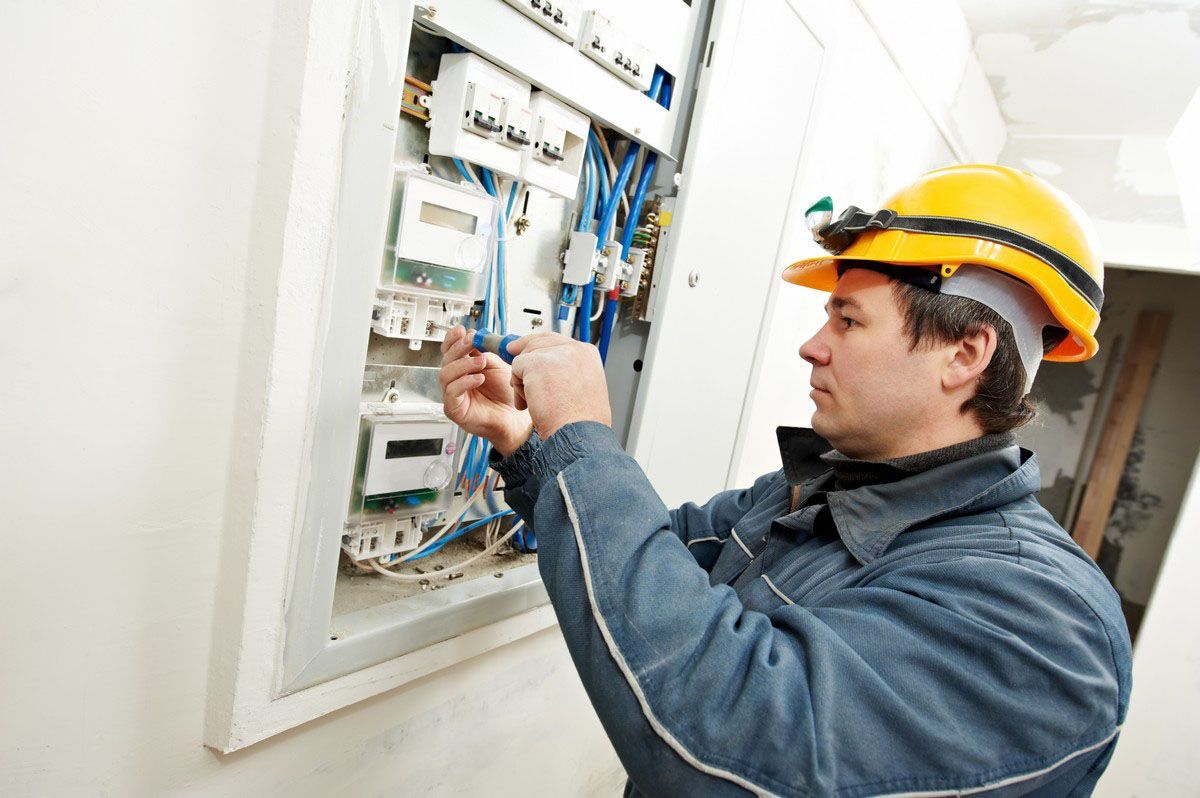
An electrical assessment can help determine whether the current panel, wiring, and circuits are suitable for the installation. Depending on the property's electrical setup, an electrician may recommend an electrical panel upgrade or other improvements before connecting the charger. An EV charge installation should always account for the electrical system's existing limitations.
Homeowners should also consider their existing electrical demands. Appliances, heating and cooling equipment, lighting, and other systems all contribute to the property's total electrical load. Evaluating these demands helps prevent overloaded circuits and supports reliable operation. This is particularly important in older homes where electrical systems may not have been designed to accommodate modern charging equipment.
Comparing Different EV Charger Levels
Not all electric vehicle chargers provide the same charging speed or power output. Understanding the available charging levels can help property owners choose equipment that matches their driving habits and daily schedules.
The three primary charging options include:
- Level One Charging: This option uses a standard household outlet and typically provides the slowest charging speed. It may work for drivers with shorter commutes or vehicles that remain parked for extended periods.
- Level Two Charging: This option uses a dedicated 240-volt circuit and offers significantly faster charging than Level One equipment. It is a popular choice for residential installations and can also accommodate workplace charging needs.
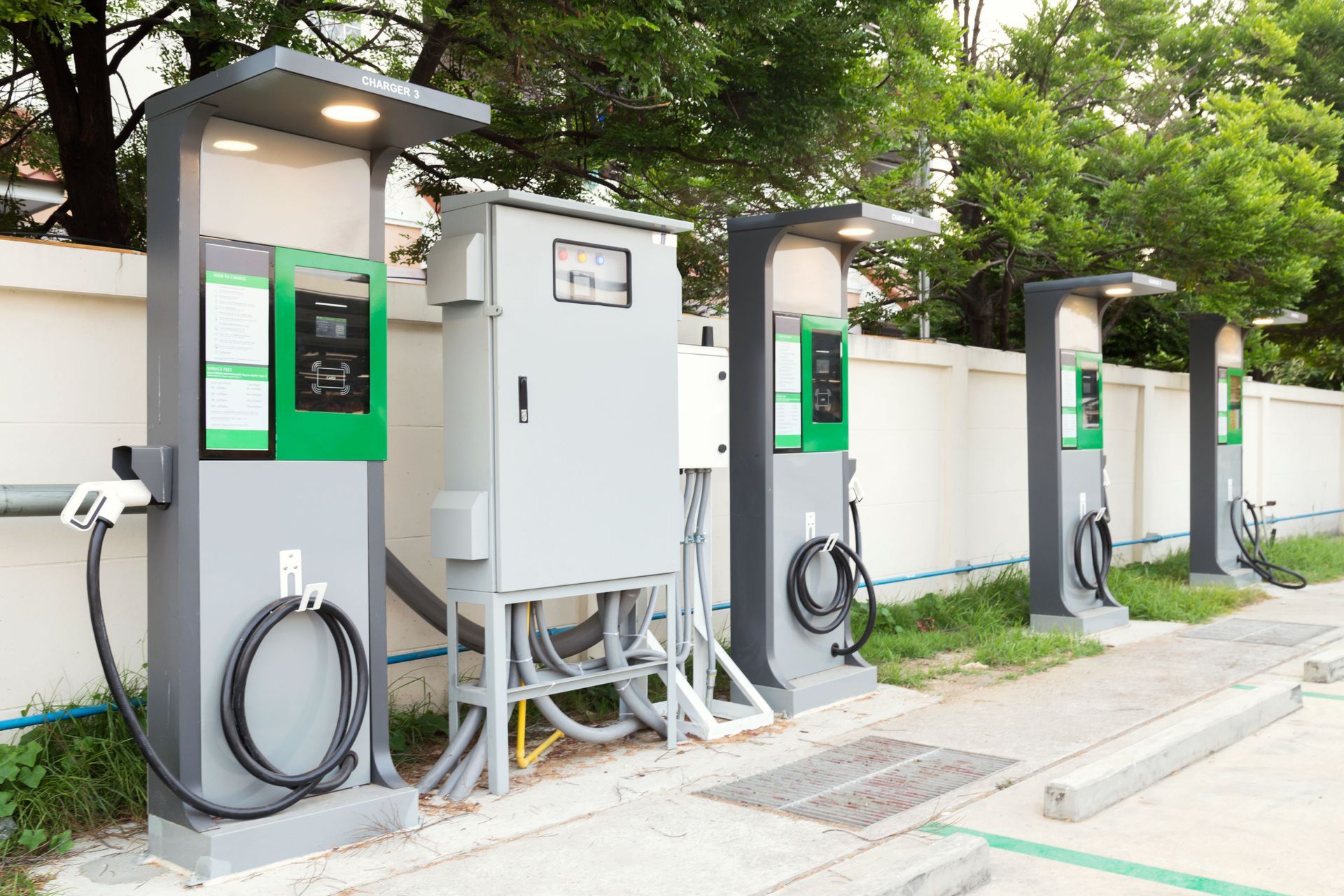
- DC Fast Charging: This option provides rapid charging via specialized equipment and requires higher electrical power. It is generally associated with commercial locations, public charging stations, and other applications where vehicles need to recharge quickly.
When comparing equipment, consider how frequently the vehicle will be driven and how much charging time is available. A Level Two system may provide a practical balance between charging speed and installation requirements for many properties. The appropriate EV charge equipment ultimately depends on the vehicle's compatibility and the property's available electrical capacity.
Determining the Best Installation Location
The location of an EV charger can influence convenience, installation complexity, and overall functionality. For residential properties, garages and driveways are common installation locations because they provide relatively easy access to parked vehicles.
Before choosing a location, consider the following factors:
- Vehicle Parking Position: The charger should be positioned where its cable can comfortably reach the vehicle's charging port.
- Electrical Panel Distance: Installing equipment closer to the electrical panel may reduce the amount of wiring required and help control installation costs.
- Weather Exposure: Outdoor equipment should be appropriately rated for the conditions it will encounter, including rain, temperature changes, and other environmental factors.
- Physical Accessibility: The charger should remain accessible without creating obstacles in walkways, parking areas, or garage spaces.
Carefully planning the installation location can make everyday charging more convenient while reducing potential complications during installation. Property owners should also consider whether the charger will remain accessible if they change vehicles or rearrange their parking areas. A well-planned EV charge station should provide enough flexibility for regular use without interfering with other activities around the property.
Understanding Electrical Requirements and Safety
EV charging equipment must be connected to an electrical system that meets the manufacturer's specifications and applicable electrical codes. Proper installation is essential because chargers operate under sustained electrical loads that can place significant demands on circuits and wiring.
A qualified electrician can evaluate the required circuit size, wiring, breaker capacity, grounding, and other electrical components. The installation should also account for the charger's voltage and amperage requirements to ensure that the equipment receives the appropriate power.
Property owners should avoid relying on extension cords, makeshift connections, or improperly rated electrical components. These shortcuts can create overheating hazards, electrical failures, and other safety concerns. Professional installation helps ensure that the charging equipment is connected correctly and operates as intended.
Electrical safety should remain a priority throughout the project, from the initial assessment to the final connection. An electrician can also identify existing wiring concerns or outdated components that may need attention before the new equipment is installed. Addressing these issues helps establish a safer foundation for an EV charge setup.
Planning for Current and Future Charging Needs
An EV charging installation should accommodate more than a vehicle's immediate charging requirements. As electric vehicle ownership continues to grow, homeowners and businesses may eventually need additional charging capacity.
According to Argonne National Laboratory, approximately 80% of electric vehicle charging takes place at home. This highlights the importance of having convenient residential charging access for everyday use. Homeowners who regularly charge their vehicles overnight may benefit from installing equipment that supports their typical driving schedules.
It is also worth considering whether the property may need to accommodate another electric vehicle in the future. Installing additional electrical capacity or planning for a second charging station during the initial project may help reduce the need for more extensive modifications later.
Businesses should consider employee and customer demand, parking availability, and potential expansion when planning charging infrastructure. Thinking ahead can help ensure the electrical system remains useful as charging needs change. Planning for future EV charge requirements may also help property owners avoid unnecessary installation expenses if additional equipment is needed.
Considering Smart Charging Features
Modern charging equipment may include smart features that provide additional control over when and how a vehicle receives power. These capabilities can make charging more convenient while helping property owners manage electricity usage.
Depending on the equipment, smart charging features may include:
- Scheduled Charging: Allows drivers to select specific charging periods based on their routines or electricity rates.
- Energy Monitoring: Provides information about charging activity and electricity consumption.
- Remote Management: Allows users to monitor or control charging through a compatible smartphone application.
- Load Management: Helps coordinate electrical demand when multiple devices or charging stations operate within the same system.
These features are not necessary for every installation, but they may provide additional value for households with multiple electrical demands or businesses managing several charging stations. Comparing available features can help property owners determine which options justify the additional cost of equipment.
Property owners should also confirm that smart features are compatible with their vehicles, electrical systems, and preferred applications. Choosing equipment with useful capabilities can make an EV charge installation more convenient without adding unnecessary complexity.
Reviewing Installation Costs and Long-Term Value
The cost of installing an EV charger depends on several factors, including the equipment selected, electrical panel capacity, wiring requirements, installation location, and project complexity. Properties that require panel upgrades or longer wiring runs may have higher installation expenses.
When evaluating costs, property owners should look beyond the initial equipment price. Installation quality, charger compatibility, expected maintenance, and long-term electrical needs can all affect the overall value of the investment.
Obtaining a professional assessment and a detailed installation estimate provides a clearer understanding of the work involved. This also helps property owners compare options based on their actual electrical requirements rather than choosing equipment solely on price. A well-planned EV charge project can provide dependable access to charging while helping property owners make the most of their investment.
Making Informed Decisions About EV Charging Installations
Choosing an appropriate EV charging system requires careful consideration of electrical capacity, charger type, installation location, safety requirements, and future needs. A well-planned installation can provide convenient charging access while meeting the property's electrical demands. Whether preparing a home for its first electric vehicle or considering charging infrastructure for a business, working with a qualified electrical contractor is an important step. Contact Mendoza Electric today to discuss your electrical needs and explore professional EV charging solutions for your property.


Share On: