
6 Hidden Dangers of Delaying Necessary Panel Upgrades
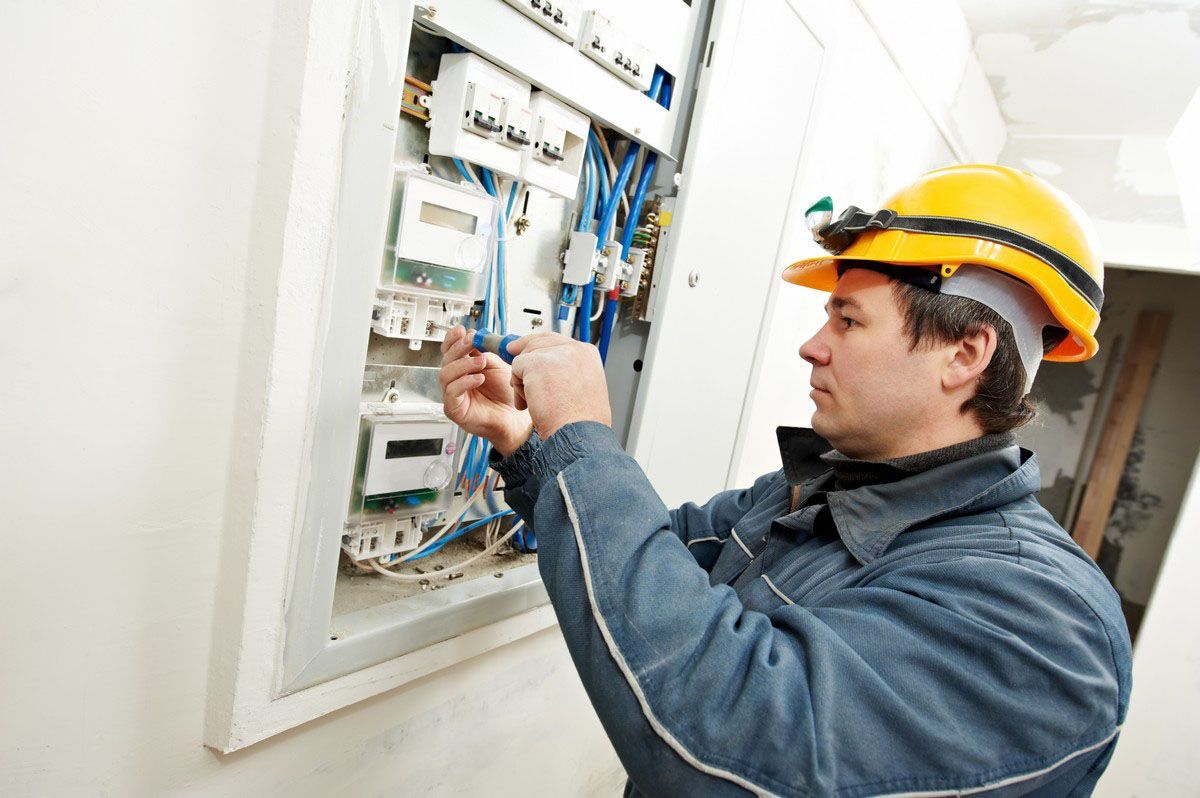
An electrical panel serves as the central hub for power distribution across any building. It regulates electricity flow to every room, outlet, and fixture, keeping operations running safely. However, property owners frequently overlook the condition and capacity of these panels. Timely panel upgrades are a fundamental safety measure rather than an optional home improvement project.
Delaying critical electrical updates leads to unseen hazards that jeopardize personal safety, property value, and financial stability. Outdated distribution setups struggle to power modern equipment, leading to frequent overloads, voltage drops, and compromised protection mechanisms. Ignoring early warning signs can turn minor electrical issues into major structural disasters. Understanding these dangers empowers building owners.
1. Avoid Severe Electrical Fire Hazards
Overloaded distribution centers create severe fire hazards due to excessive heat generation within aging circuits. When internal wiring carries electrical current far beyond its designated threshold, protective components quickly break down. This thermal stress damages wire insulation and significantly increases the likelihood of electrical fires. Outdated panel components worsen conditions, turning power usage into a hazard.
Degraded wiring within older infrastructure frequently amplifies hidden fire risks throughout the property. As internal conductors deteriorate over time, subtle short circuits and dangerous arcing occur behind walls without early detection. Investing in panel upgrades eliminates these hidden hazards by installing modernized wiring frameworks that align with current safety protocols across the entire building.
Missing advanced protective devices, such as arc fault circuit interrupters, leaves property owners vulnerable to sudden electrical failures. Older distribution systems lack the rapid shutoff capabilities present in contemporary designs, allowing fault currents to flow unrestricted. Upgrading aging infrastructure ensures immediate fault detection, adding vital layers of defense for building residents and structural integrity.
2. Reduce Wasteful Monthly Energy Costs
Aging electrical distribution systems operate with poor energy efficiency, leading to power dissipation and inflated utility bills. Outdated equipment struggles to manage power loads, causing attached appliances to draw excessive current for standard operations. Up-to-date hardware ensures power flows efficiently, preventing wasteful monthly utility expenditure while reducing physical stress on connected machinery.
Failing to modernize older distribution equipment can result in non-compliance with regional energy management standards. Regulatory codes evolve continuously to improve overall safety and optimize electrical conservation across residential and commercial sectors. Executing panel upgrades guarantees compliance with modern code requirements, supporting sustainable power usage and shielding property owners from costly regulatory financial penalties.
Operational inefficiencies harm overall appliance performance, causing frequent equipment malfunctions and premature mechanical failure. Modern appliances require stable, consistent voltage levels that legacy infrastructure cannot deliver reliably. Chronic voltage drops force sensitive electronics to overheat, shortening their operational lifespan. Promptly upgrading legacy hardware stabilizes system voltage, protecting expensive technology and optimizing performance.
3. Protect Building Occupants from Injury
Electrical shock and electrocution represent severe personal risks associated with aging distribution setups. These dangerous conditions occur when legacy systems lack modern grounding mechanisms or suffer from degraded internal insulation. Hazardous currents travel along exposed metal components, placing occupants at risk. Maintaining modernized distribution equipment minimizes hazardous shock exposure, securing physical well-being across premises.
Inadequate surge suppression leaves sensitive electronic devices highly vulnerable to transient voltage spikes. Older distribution boards lack integrated surge mitigation features, allowing power grid fluctuations to damage computer hardware, appliances, and control systems. Scheduling panel upgrades allows property owners to integrate comprehensive surge protection, safeguarding valuable hardware against unpredictable grid spikes during routine operations.
Continuous circuit breaker tripping indicates serious underlying electrical imbalances that require immediate technical attention. Frequent breaker trips disrupt daily routines and signal that existing distribution equipment operates near capacity limits. Replacing outdated systems with modern units resolves persistent tripping, restoring consistent power delivery and peace of mind for all property occupants.
4. Prevent Costly Legal and Insurance Complications
Failing to comply with modern electrical building codes creates significant legal liabilities for property managers and homeowners. Municipal safety codes undergo regular revisions to incorporate new safety innovations and mitigate structural risks. Pursuing panel upgrades ensures full adherence to legal guidelines, preserving structural compliance, avoiding municipal citations, and preventing legal penalties.
Insurance providers frequently require electrical installations to meet stringent modern standards before extending policy coverage. Outdated distribution infrastructure presents elevated liability, leading insurers to deny claims or cancel coverage entirely after an incident. Maintaining fully compliant distribution systems keeps insurance policies active and ensures claims remain valid during unexpected property emergencies.
Beyond direct legal consequences, non-compliance generates hidden financial burdens that erode long-term property value. According to HomeGuide, most electricians add a service call fee and charge a one-to-two-hour minimum, making sudden troubleshooting unnecessarily expensive. Proactively updating electrical equipment avoids these emergency expenses, ensuring predictable maintenance costs and long-term financial security for owners.
5. Restore Systemic Power and Equipment Performance
Outdated distribution setups severely restrict available circuit capacity, preventing the addition of modern appliances and tools. Contemporary homes and commercial facilities rely on numerous high-draw devices that overwhelm older infrastructure. Expanding circuit capacity optimizes power distribution, allowing multiple high-demand devices to run simultaneously across the property without risking dangerous system overloads.
Incompatible legacy equipment disrupts the seamless operation of modern smart devices and automation systems. Smart home technology and advanced building management controls require clean, consistent power delivery to maintain proper digital connectivity. Prioritizing panel upgrades eliminates voltage noise, ensuring smart automation systems operate with total reliability and uninterrupted digital performance.
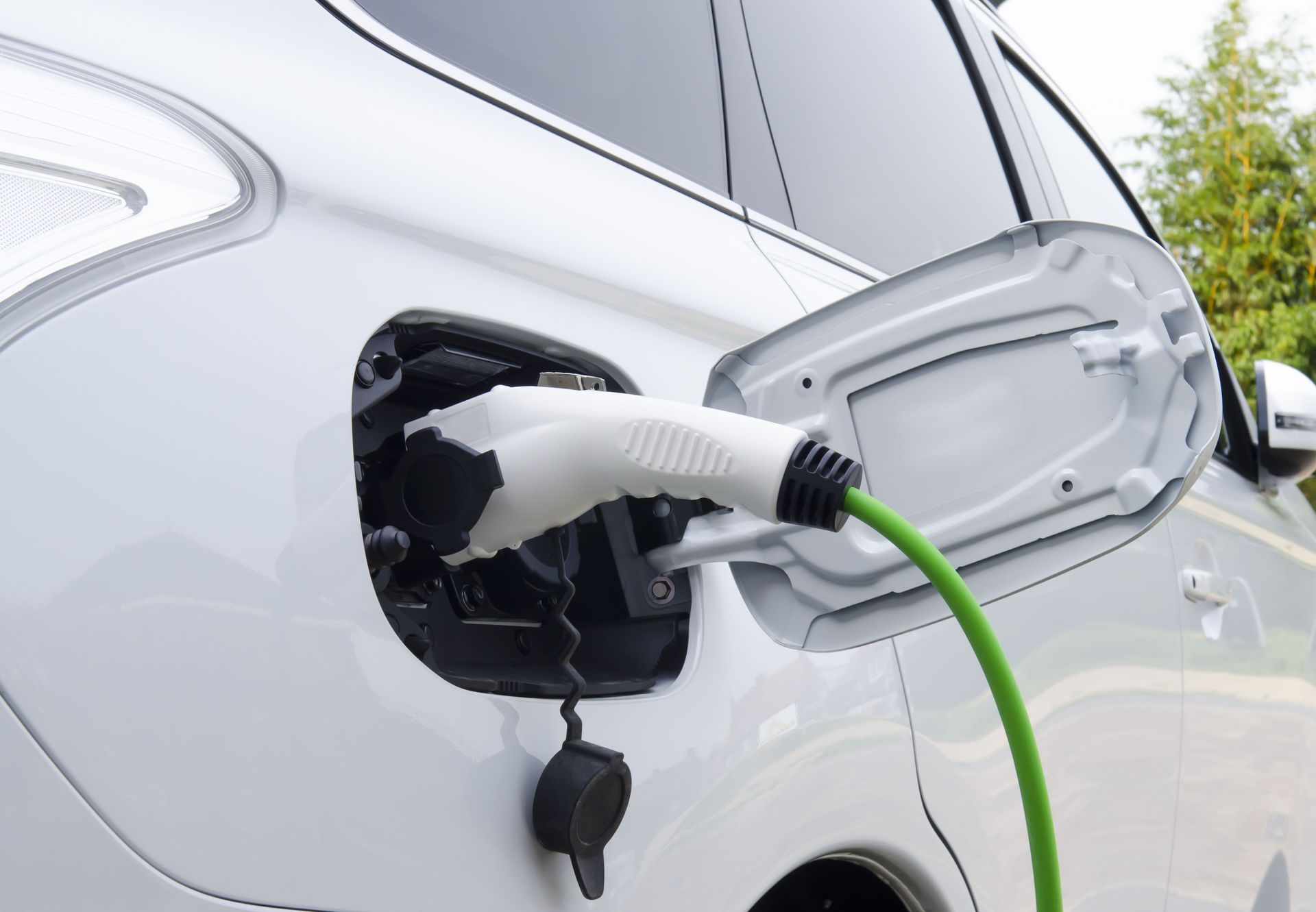
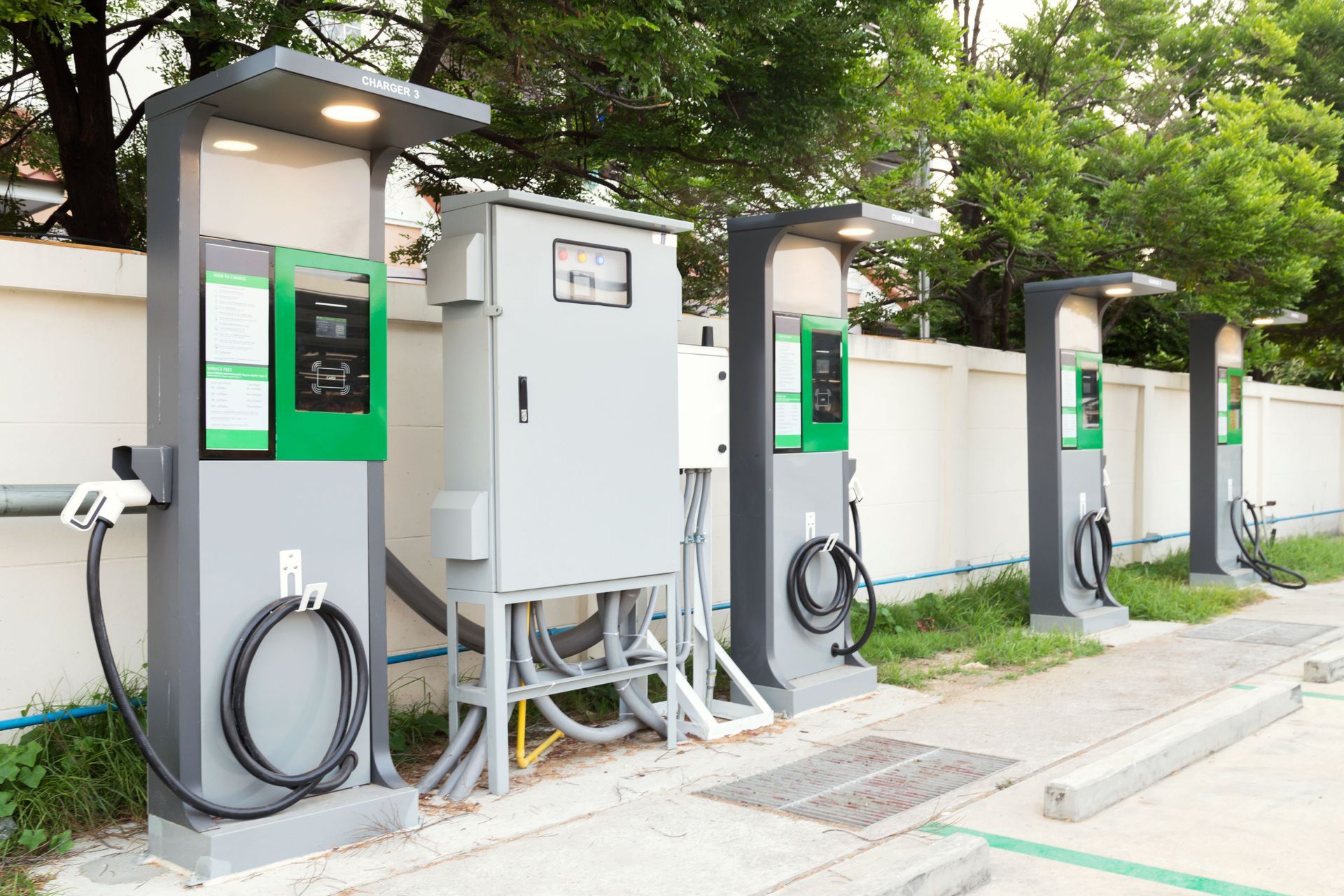
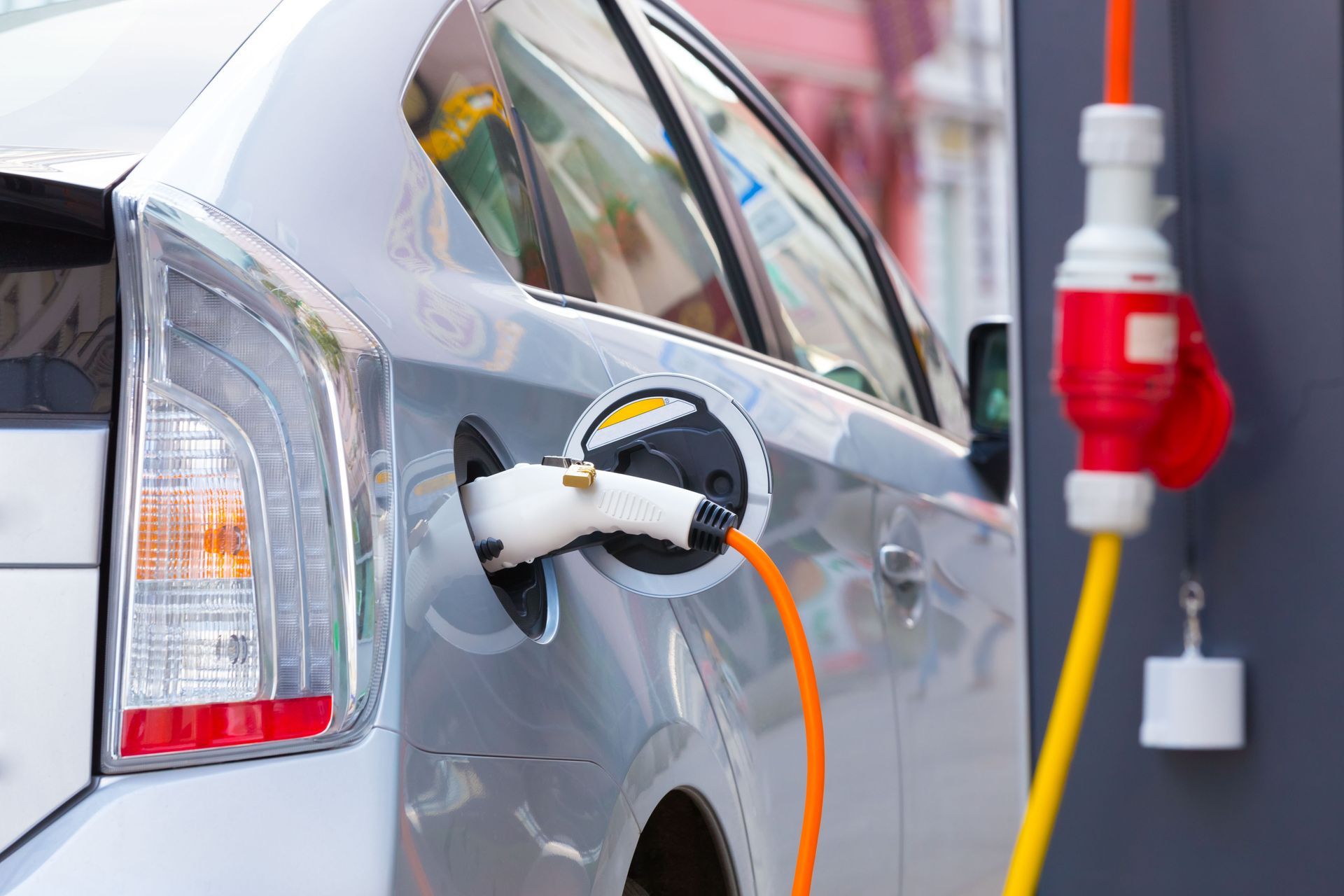
Legacy distribution panels act as severe bottlenecks when property owners attempt to integrate advanced technology or renewable power sources. Installing solar panels, electric vehicle charging stations, or modern HVAC units requires high-capacity electrical frameworks. Modernizing electrical equipment removes technical barriers, allowing seamless integration of clean energy solutions and modern property technology.
6. Improve Facility Safety During Emergency Situations
During unexpected power disruptions, outdated distribution panels hinder emergency recovery efforts and delay power restoration. Legacy systems lack clear diagnostic labeling and modern quick-disconnect features, making troubleshooting complex and time-consuming for technical crews. Installing modern distribution units streamlines system diagnostics, enabling rapid power restoration during critical emergency scenarios across the facility.
Outdated infrastructure can also compromise essential life safety systems, such as emergency lighting, smoke detectors, and fire alarms. These critical systems depend on steady, uninterrupted power connections to function properly during structural emergencies. Upgrading core power infrastructure guarantees reliable backup power delivery, protecting lives when dangerous situations arise within the property.
In emergency situations, quick access to electrical disconnects is essential for first responders attempting to secure a building. Obsolete panels with missing safety labels or damaged enclosures slow down emergency personnel during life-threatening events. Installing modern distribution hardware provides clear circuit identification and safe access points, enabling emergency teams to act swiftly.
Delaying necessary electrical maintenance exposes property owners to significant hazards ranging from sudden structural fire risks to costly legal liabilities. Maintaining up-to-date distribution hardware ensures safe, efficient, and fully compliant operations. From safeguarding occupants against dangerous electrical shock to ensuring critical systems meet municipal codes, the reasons for proactive maintenance are compelling.
Taking immediate action to update aging electrical infrastructure protects property investments, lowers monthly utility expenses, and solidifies long-term peace of mind. As both residential and commercial power requirements continue to expand, keeping pace with core infrastructure is essential for overall safety. To protect your building against hidden electrical hazards and ensure maximum performance, contact our team at Mendoza Electric to schedule panel upgrades for your property.


Share On: